
 Thought Leadership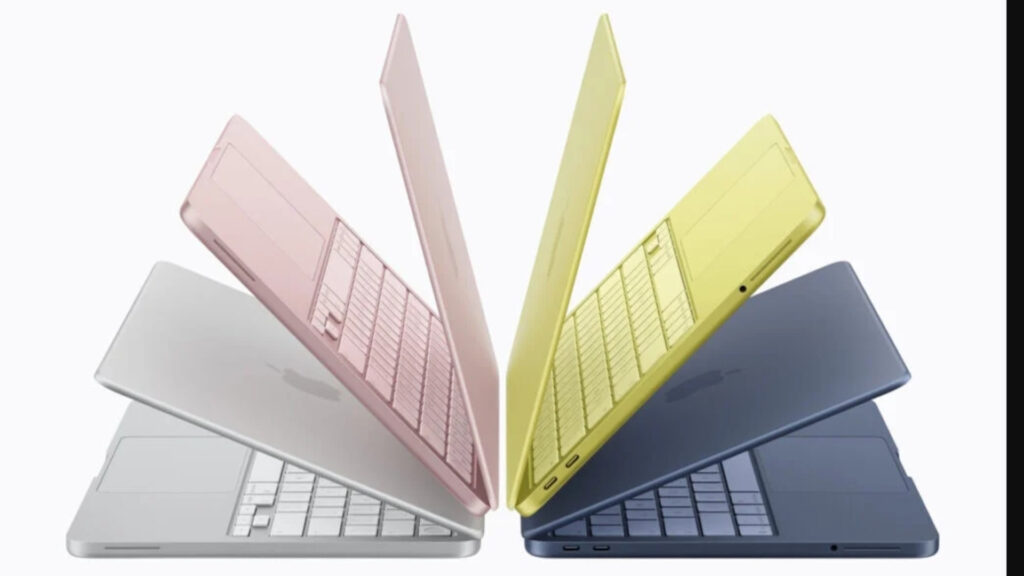
Asahi Linux now supports Macs with M3, M3 Pro, and M3 Max processors—albeit with some limitations.
The open-source project Asahi Linux has officially expanded its support to the third generation of Apple’s custom silicon. As of now, the Linux distribution can be installed on most computers powered by M3, M3 Pro, and M3 Max chips. The Mac Studio with M3 Ultra remains unsupported for now. Since Apple does not provide developers with technical documentation, support relies entirely on painstaking reverse engineering of the hardware architecture.
Linux on Apple Mac: Sleep mode and HDMI output do not work
A large portion of the basic features is already available on the supported M3 systems. These include Wi-Fi, Bluetooth, webcams, internal microphones, USB 3, as well as hardware-accelerated video decoding with AV1 support. Nevertheless, significant gaps remain in daily use: Sleep mode does not work, nor does HDMI output, and the graphics acceleration of the Apple GPU has not yet reached its full performance and power efficiency.
Currently, installation via the Asahi installer still requires enabling Expert mode. However, the development team plans to remove this hurdle before the release of the Fedora Linux 45 beta. In parallel, the gradual integration of the M3 code into the official mainline Linux kernel starting with version 7.4 is already underway to guarantee complete system support without additional patches in the long term.
(Editorial Team)