Thought Leadership
An unsecured database at CSCTelecom exposed messages from Swedbank, SEB, airBaltic and emergency services, including banking codes and sensitive health information.
Latvia’s branch of telecommunications provider CSCTelecom left a database containing more than 125 million SMS messages accessible on the internet without protection. The investigative team at Cybernews reported the exposure. According to the report, messages were captured in the database in real time. Companies use service providers such as CSCTelecom to send large volumes of text messages to customers, including verification codes, notifications and marketing messages.
Banks, Airlines and Emergency Services Affected
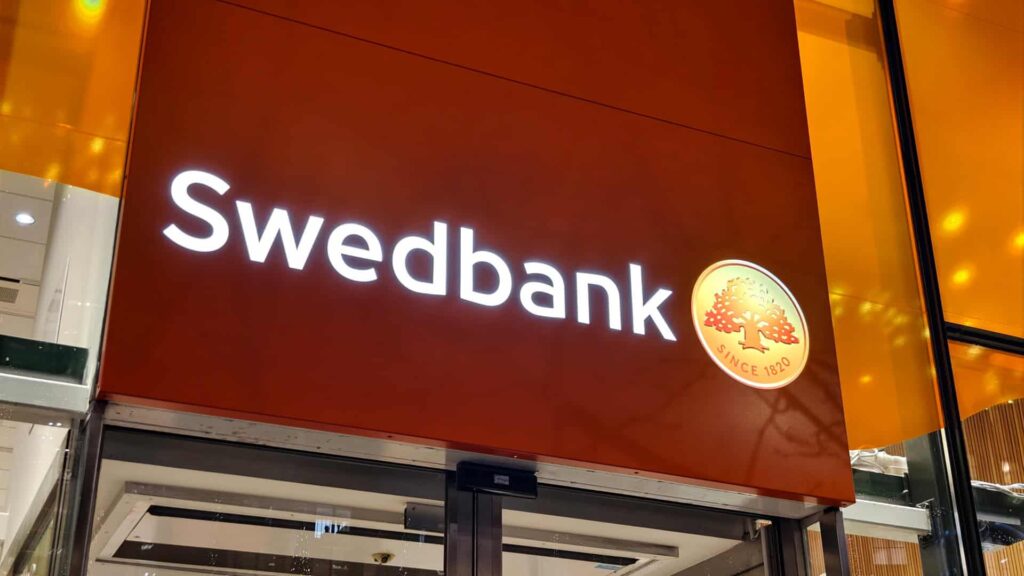
Messages from numerous companies and organizations across the Baltic states were affected. These included banks Swedbank and SEB, airline airBaltic, grocery delivery service Barbora and emergency services. According to Cybernews, the messages contained banking verification codes, information about emergency calls and medical details. Messages from Swedbank included IBAN account numbers, while those from airBaltic exposed customers’ phone numbers, last names and flight information. The data reportedly dates back approximately four years.
The available information does not establish whether the database has since been secured, how long it remained publicly accessible or how CSCTelecom and the affected organizations have responded.
Targeted Phishing Attacks Made Easier
Criminals could use the exposed information to craft highly convincing phishing messages. Knowing that someone banks with Swedbank, shops at Barbora and flies with airBaltic would make it possible to send messages impersonating precisely those brands. Cybernews advises anyone who has received SMS messages from one of the affected senders within the past four years to assume their data may have been exposed. The incident also highlights the security risks of using SMS to transmit sensitive information such as verification codes. Security experts therefore recommend authenticator apps or passkeys instead of SMS-based codes.
Phone and SMS scams are currently widespread in Latvia. Mobile operator Bite Latvija has launched a pilot project that allows banks such as SEB and Swedbank, as well as government agencies, to protect their names against unauthorized use as SMS sender IDs. Similar incidents have occurred in the past. Exposed databases belonging to SMS service providers such as Voxox and YX International previously leaked millions of messages containing verification codes and password-reset links.
(Editorial Team)