
 Thought Leadership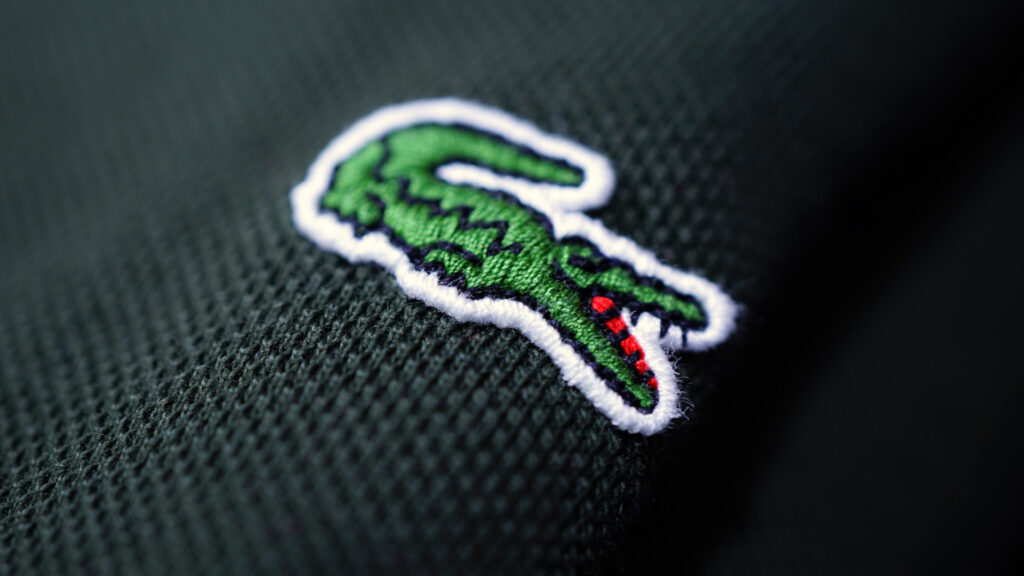
Hackers claim access to internal databases of three global fashion brands in what experts believe was a coordinated supply chain attack.
The year 2026 is shaping up to be a severe stress test for global IT security in the fashion industry. Recent cybersecurity research suggests that several heavyweights in the luxury segment may have fallen victim to a coordinated data exfiltration operation. An actor has appeared on a well-known underground internet forum claiming to possess sensitive datasets belonging to the brands Lacoste, Ralph Lauren, Canada Goose and Carter’s. The publication of sample data has lent credibility to these claims and put the industry on high alert.
Customer data and internal metadata compromised
The samples provided by the hacker have already been examined by researchers at Cybernews. Among the files are screenshots containing detailed employee information, including full names and corporate email addresses. More alarming is the suspicion that customer data was also affected. The samples included email addresses and home addresses of customers, though the attacker had partially redacted some of this information before publishing, likely to demonstrate the value of the package to potential buyers.
Beyond personal data, the dataset also contains internal metadata: numerical values and system-specific metrics that may appear harmless at first glance. Without context, these fragments are of little use to outsiders. In the hands of professional cybercriminals, however, they can serve as puzzle pieces to map a company’s internal IT architecture and prepare further attacks.
The data structures are remarkably consistent across all four brands, and samples contain SQL Server metadata such as row version numbers, a strong indicator that a shared third-party provider was breached rather than the brands themselves.
The trail leads to the supply chain
One of the most pressing questions is how a single attacker could simultaneously gain access to four independent global brands. The answer almost certainly lies not in the brands’ own security perimeters but in shared infrastructure. The hacker explicitly labeled the data as “supply chain data” in their forum post. Technical analysis of the file fingerprints supports this: the data structure is strikingly consistent across all four brands. Possible entry points include compromised employee accounts at a shared service provider, or cloud misconfigurations enabling unauthorized access without valid credentials.
Phishing attacks a likely consequence
The leak poses significant risks to the privacy of those affected. The combination of names and email addresses provides an ideal foundation for highly personalized phishing attacks. Criminals could impersonate official brand representatives to coax customers into revealing financial data or installing malware on their devices. Internally, the exposure of employee names and corporate email addresses also increases the risk of social engineering attacks targeting sensitive company systems.
A systematic assault on the retail sector
This incident is part of an unprecedented wave of cyberattacks against the retail industry. In February 2026, Canada Goose had already been targeted by the hacker group ShinyHunters, with over 600,000 records published including phone numbers and partial credit card data. In January 2026, the ransomware group World Leaks claimed a successful attack on Nike, stealing approximately 1.4 terabytes of data including product designs and pricing lists. Prior to that, in November 2025, Under Armour suffered the theft of over 72 million email addresses. One of the most spectacular incidents occurred in April 2025 at luxury group Kering, owner of Gucci and Balenciaga, where 7.4 million customer files were compromised.
The accumulation of these incidents points to a structural problem in the global supply chain. Criminal organizations are deliberately targeting its weakest links to harvest the valuable data of affluent luxury brand customers. For consumers, this means vigilance with any email purportedly from these brands is paramount. Companies, meanwhile, must significantly tighten their oversight of third-party risks or risk becoming collateral damage through their partners’ vulnerabilities.