
 Thought Leadership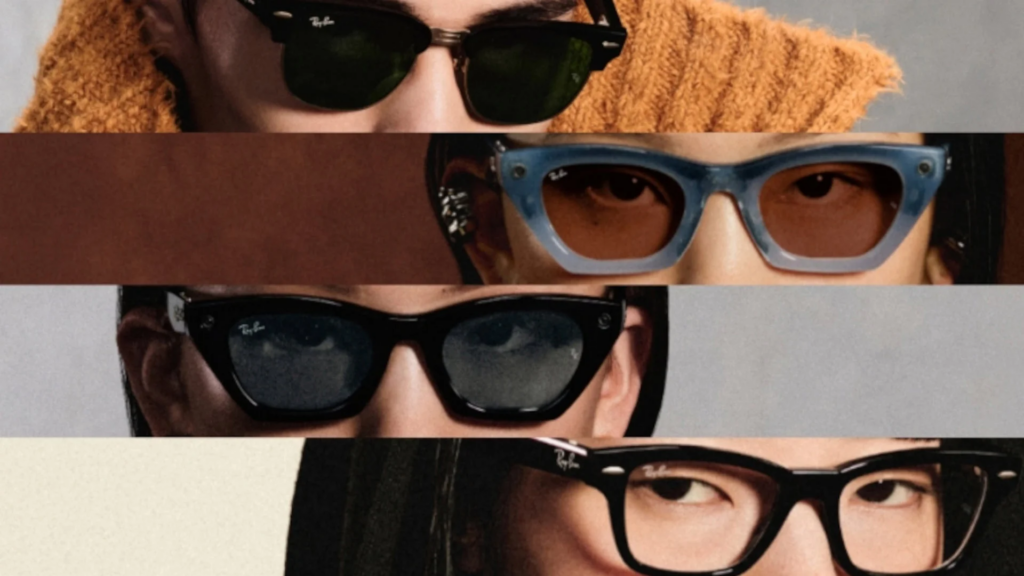
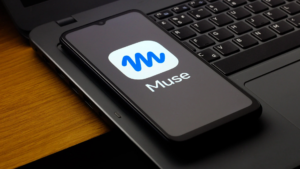
At its Meta Connect developer conference, Mark Zuckerberg unveiled new VR glasses, smart glasses and Muse, the company’s personal AI agent, as a central part of its AI strategy.
Meta CEO Mark Zuckerberg introduced several new hardware products and updates to the company’s personal AI agent Muse at the annual Meta Connect developer conference in Menlo Park, California.
New VR Glasses Priced at $1,299 USD
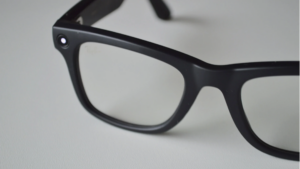
The biggest new hardware announcement was the Meta VR Glasses. Unlike previous, bulkier VR headsets, the new device takes the form of a pair of glasses but still requires a separate, wired computing unit. Zuckerberg said the goal is to combine a sense of presence and immersion with high-resolution displays of the surrounding environment in a glasses-sized form factor for the first time. Meta plans to launch the VR Glasses next spring for $1,299 USD.
Muse Charm: A Wearable AI Companion
As a surprise announcement, Zuckerberg also introduced a small keychain-sized device called Muse Charm. It is designed to give users access to the personal AI agent Muse without requiring a smartphone, computer or smart glasses.
“We packed a lot of technology into this little guy,” Zuckerberg said. The device is not yet fully finalized but is expected to launch in December, in time for the holiday shopping season.

Third-Generation Ray-Ban Meta
Meta also unveiled the third generation of its classic Ray-Ban Meta smart glasses, featuring a slimmer design and longer battery life. They are available starting at $449 USD. By the end of the year, Meta plans to offer more than 100 different models across the Ray-Ban, Oakley and Meta Glasses brands.
New Audio-Only Glasses Without a Display
Meta also announced a new audio-only version of its smart glasses. The glasses support music playback, phone calls and conversations with an AI assistant, but do not include a display or video recording capabilities. A feature called “Hearing Enhancement” is designed to turn the glasses into an FDA-approved, over-the-counter hearing aid that can compensate for mild to moderate hearing loss.
Holograms for Video Calls
During an initial live demonstration, Zuckerberg also showcased a hologram feature capable of projecting a photorealistic digital representation of a person, including real-time facial expressions and reactions. The technology is designed to enable hands-free video calls.
Muse at the Heart of Meta’s AI Strategy
Zuckerberg described Muse, the personal AI agent introduced only recently, as the “heart” of Meta’s vision for the future of AI. Meta Chief AI Officer Alexandr Wang said that a dedicated AI agent capable of going beyond a conventional chatbot and acting autonomously on behalf of users could make AI more accessible and bring “personal superintelligence” to everyone.
On stage, Wang and other executives demonstrated several use cases for Muse, supported by a plush mascot representing the agent. In the future, users are expected to be able to communicate with their customizable version of Muse in real time through voice or video. Muse is designed to assist with tasks including travel planning, reservations and ordering groceries. Meta is also working to integrate Muse into its own line of smart glasses, enabling users to interact with the agent hands-free.
(Editorial Team)