
 Thought Leadership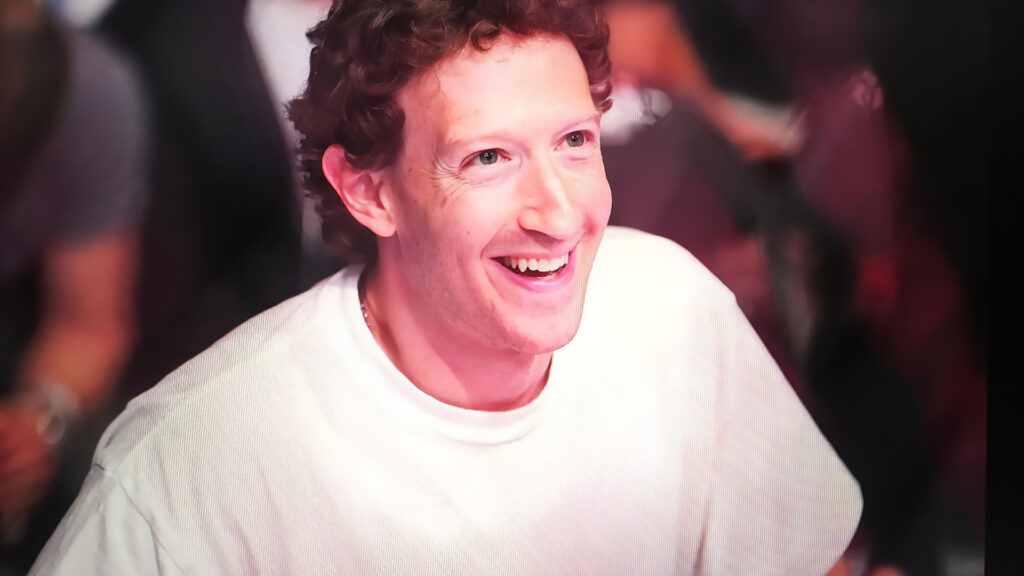
Meta is building an AI avatar of its CEO based on his voice, appearance and public statements. Whether it will actually work remains to be seen, as the technical and ethical hurdles are considerable.
Meta CEO Mark Zuckerberg is reportedly working on an AI clone of himself. The Financial Times reports this, citing several people familiar with the project. The avatar is being trained on Zuckerberg’s voice, appearance, mannerisms, tone and public statements. The stated goal, according to the report, is to make employees feel more connected to the founder through interactions with his AI version.
If the experiment succeeds, the implications could be far-reaching. Meta reportedly plans to roll the concept out to creators, who would then be able to build AI avatars of themselves to interact with their followers. The company gave a preview of this in a live demo in 2024. AI versions of creators can already respond automatically to comments on Instagram. Users can also create custom AI-generated chatbots, though Meta recently began blocking teenagers from accessing these features.
AI avatars for CEOs: a growing trend with unresolved questions
Meta’s project is not an isolated case. According to a study by the IBM Institute for Business Value, which surveyed 2,000 CEOs worldwide in early 2025, 61 percent of executives are already actively deploying AI agents or preparing to roll them out at scale. A market of vendors has emerged offering executives so-called digital twins: virtual replicas intended to handle video messages, onboarding conversations or investor updates autonomously.
In practice, however, the technology is still far from reliable. Current language models are prone to generating false statements or misrepresenting nuances. When an avatar carries the name and face of a real manager, this can quickly lead to misinformation or unintended statements being attributed to that person. There are also unresolved legal questions: who is liable if an AI Zuckerberg explains something incorrectly to an employee, or communicates a decision that was never actually made? The psychological dimension is equally unclear. Whether employees would perceive an AI replica of their boss as authentic or simply unsettling has barely been studied.
Zuckerberg is said to be personally involved in training the avatar. He has also been more active in Meta’s technical day-to-day work overall. According to the Financial Times, he now spends five to ten hours per week coding on the company’s AI projects and taking part in technical reviews.
Meta has not publicly commented on the report. When and whether the AI clone will actually be deployed in meetings remains open.