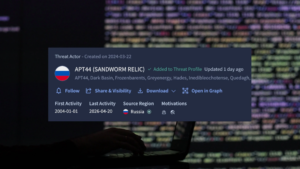
The Google Threat Intelligence Group is overhauling its tracking system for cyber threat actors. Instead of cryptic abbreviations such as APT41, the group will use two part codenames to make threat tracking easier to navigate.
Security researchers are tracking attacks against Microsoft SharePoint systems exploiting the vulnerability CVE-2026-50522. Attackers are stealing machine keys from compromised servers.
Swiss train manufacturer Stadler Rail has rejected a ransom demand of 10 million Swiss francs, equivalent to approximately $12.3 million US dollars, from the Everest group following a data breach at a supplier.
Chick-fil-A is notifying customers about a data security incident following credential-stuffing attacks in June. Personal information and account balances may have been exposed.
The open-source platform Hugging Face has fallen victim to an attack carried out by an autonomous AI agent. Internal datasets and credentials were among the information affected.
Following a failed extortion attempt, a hacker has deleted Romania’s entire land registry database. The incident has brought tens of thousands of real estate transactions to a standstill.
As companies increasingly deploy AI agents, their exposure to cyberattacks is also growing. The focus is shifting beyond traditional IT systems toward the AI models themselves, their prompts, and the data flows they rely on.
 Thought Leadership