
 Thought Leadership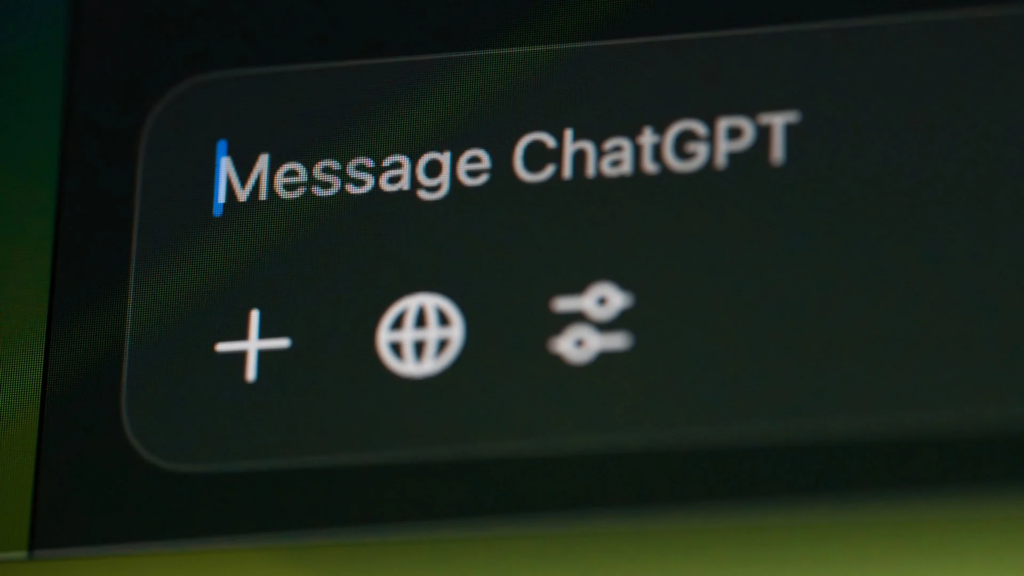
OpenAI has introduced Computer History, an optional feature for ChatGPT on macOS that transforms user activity into memories.
The feature, introduced on August 13, replaces the feature Chronicle, previously offered as a research preview, which was still based on regular screen recordings. Computer History, by contrast, deliberately dispenses with screenshots and instead captures individual interaction events via the accessibility interfaces of macOS, including mouse clicks, text inputs, keyboard shortcuts, as well as switching between applications. According to OpenAI, screen recordings, screen videos, microphone or system audio are not captured, nor are activities in private browsing mode. From the collected raw data, ChatGPT then creates text summaries as well as local memory files in Markdown format, which are stored unencrypted on the respective device until they are deleted by the user.
According to OpenAI, the feature requires ChatGPT’s existing memory system and works neither via an API key nor via Amazon Bedrock. Users can use it, for example, to ask what they worked on most recently, search specifically for previously edited documents even if they no longer remember the file name, or have recurring workflows converted into reusable automations.
Availability initially limited to specific ChatGPT plans
Computer History is disabled by default and is initially aimed at paying ChatGPT users of the Pro, Business, and Enterprise plans. While Pro users can activate the feature independently, in Business and Enterprise workspaces an administrator must first approve access before individual members can turn it on themselves. The rollout initially began for users in the US; availability in the European Economic Area, Switzerland, and the UK is scheduled to follow in the coming weeks, according to OpenAI.
According to OpenAI, users retain detailed control over the feature: Individual applications or websites can be specifically excluded from capture, recording can be paused and resumed at any time via the macOS menu bar, and stored memories can be deleted optionally for the last ten minutes, one hour, one day, or completely. OpenAI also emphasizes that the captured raw data will be deleted from its own systems after 48 hours at the latest and will not be used to train its own models.
(Editorial Team)