
 Thought Leadership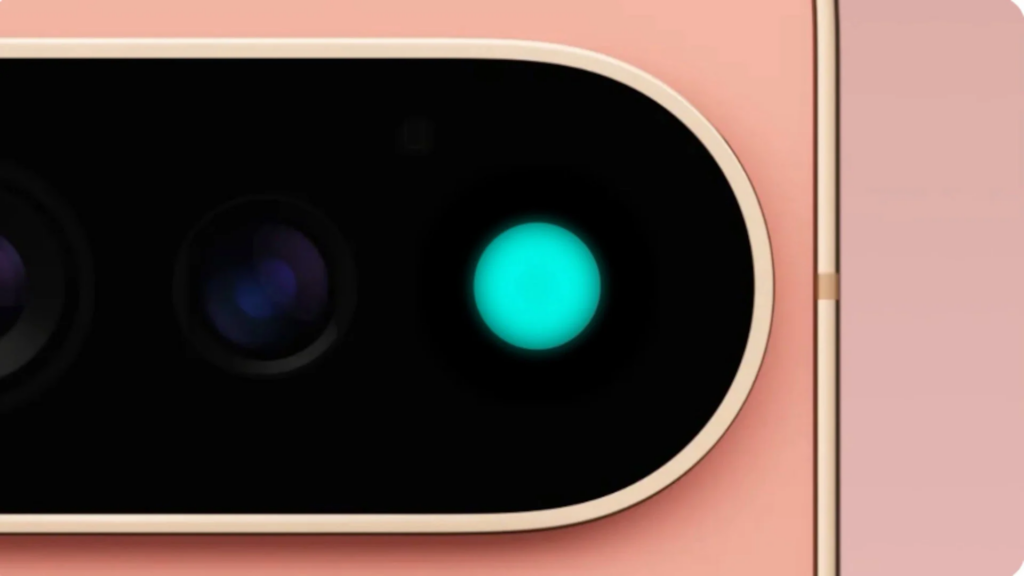
Google has unveiled its new Pixel 11 smartphone lineup, including the foldable Pixel 11 Pro Fold. Prices for some models have increased by $100.
The standard Pixel 11 starts at $899 and features what Google describes as a redesigned camera bar that is more than 40 percent thinner. It also has a continuous glass surface spanning the full width of the device. Base storage has doubled from 128GB to 256GB, while the less expensive 128GB configuration has been discontinued. Google cites the removal of the smaller storage option and the current shortage of memory chips as reasons for the price increase.
For the Pixel 11 Pro and Pixel 11 Pro XL, starting at $1,099 and $1,299 respectively, Google is putting a greater emphasis on durability. Both models feature improved drop resistance and a new scratch-resistant display coating that the company says is more than twice as durable as the one used on the Pixel 10 Pro.
Foldable Pixel 11 Pro Fold Claimed to Be Three Times More Durable
The new Pixel 11 Pro Fold starts at $1,899. According to Google, it is almost 10 percent lighter and nearly 1 millimeter thinner than the previous Pixel 10 Pro Fold, while also featuring slimmer bezels.
The foldable comes with a 48-megapixel main camera and 30x Super Zoom. It retains the IP68 rating for protection against water and dust introduced with its predecessor. Google says a redesigned fiberglass-reinforced back and a revised hinge provide greater structural stability and additional protection for the inner display.
Overall, Google claims the new foldable is three times more durable than its predecessor. All new Pixel smartphones will go on sale August 20, with preorders already available.

New Gemini Features and Pixel Tag Tracker
Alongside the new devices, Google introduced several AI-powered features based on Gemini. Live Transcribe is gaining support for American Sign Language, allowing the Pixel camera to translate sign language into text in real time.
A new voice input feature called Rambler is designed to better understand natural, unstructured speech, including filler words and incomplete sentences. Google is also integrating Circle to Search more closely with the Pixel camera, enabling users to identify objects, translate text and ask questions about content visible through the camera.
Google also announced the $29 Pixel Tag Bluetooth tracker. The accessory is scheduled to launch in November and is positioned as a direct competitor to Apple’s AirTag.
(Editorial Team)