With the Claude Frontier Academy, Anthropic is investing 100 million dollars. By the end of 2027, 10,000 Frontier Deployed Engineers are to be certified.
Thousands of ASOS app users received a push notification claiming that attackers had taken control of the company’s Snowflake instance. ASOS has yet to comment on the incident.
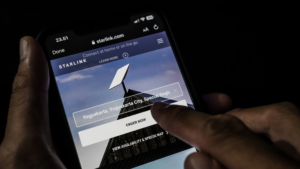
In Russia, Dmitry Medvedev, deputy chairman of the country’s Security Council, has warned that efforts to block Moscow’s new satellite communications system Rassvet could escalate into a large-scale war in space.
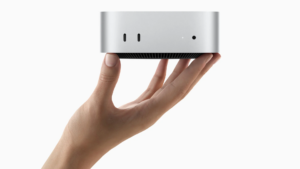
As autonomous AI agents become more widespread, Apple wants to make Mac users more aware of the risks before they grant such software broad access to their data.
With Windows 11 26H2, Microsoft will automatically back up Windows settings on enterprise PCs unless administrators choose otherwise. However, the change does not apply to devices in the European Union.
BMW plans to eliminate around 20 percent of its top management positions by mid-2027, explicitly citing artificial intelligence as one of the tools enabling the cuts.
 Thought Leadership