
 Thought Leadership
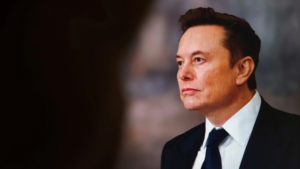
Elon Musk’s electric carmaker Tesla is facing scrutiny from U.S. transportation regulators after launching its Cybercab robotaxi, which operates without a steering wheel or pedals.
The National Highway Traffic Safety Administration (NHTSA) has asked Tesla how the Cybercab can comply with a U.S. safety requirement stipulating that vehicles on public roads must have a foot-operated brake. Tesla has until the end of September to respond. Continued violations could result in fines of up to $139 million USD (€121 million).
Before launching some of its Cybercabs in Austin, Texas, in early September, Tesla had certified under a standard U.S. regulatory procedure that the vehicles complied with applicable motor vehicle safety requirements. The NHTSA immediately raised questions. Under current rules, vehicles operating on U.S. roads are generally required to have a steering wheel and pedals.
Leading robotaxi provider Waymo, for example, has retained these controls in thousands of its vehicles, even though they operate without a human driver. The controls can still be used by emergency responders such as police officers or firefighters when necessary.
No Exemption Requested
There is also an exemption process. Following an NHTSA review, companies can receive permission to deploy up to 2,500 vehicles without steering wheels or pedals. Amazon subsidiary Zoox has used this option to operate its purpose-built passenger vehicles in Las Vegas and San Francisco.
Tesla did not apply for such an exemption. Meanwhile, some Cybercab passengers reported seeing controls on the vehicle’s display when they entered the car. However, the controls reportedly did not respond to their input. Tesla may consider this functionality an adequate substitute for a physical steering wheel and pedals.
Musk’s Big Promises
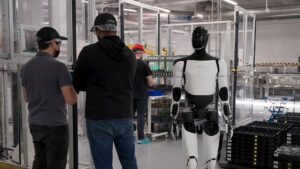
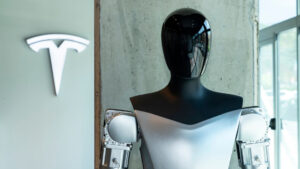
Tesla CEO Elon Musk has said autonomous driving and humanoid robots will shape the future of the electric carmaker. Unlike Waymo and other robotaxi developers, Tesla has opted against more expensive lidar systems that scan the area around a vehicle. Instead, Tesla relies exclusively on cameras.
While this approach is less expensive, experts and competitors have criticized it as insufficiently safe. Musk continues to argue that cameras provide enough information for autonomous driving. Despite the tech billionaire’s ambitious announcements, Tesla has so far deployed only a limited number of vehicles capable of driving without human supervision.
(dpa/Translation: Editorial Team)