Search
Data Disclosure
Since August 18, 2026, the EU’s E-Evidence Regulation (2023/1543) has been fully applicable following a three-year transition period. The rules allow law enforcement authorities to request electronic evidence directly from service providers in other EU countries.
Ad
Shaping The Digital Future
On June 29, the U.S. Supreme Court ruled in Trump v. Slaughter that the independence of the Federal Trade Commission (FTC) is unconstitutional.
Ad
Anne Frank Manuscripts
The European Court of Justice has ruled that VPNs are legitimate technical tools. VPN providers cannot automatically be held liable when users rely on their services to bypass geographic restrictions.
A Compliance Window, Not a Pause
Brussels grants more time, but the requirements remain unchanged. On June 16, 2026, the European Parliament adopted amendments to the EU AI Act. The changes extend the deadline for strict obligations affecting high-risk AI systems under Annex III by 16 months, moving the compliance date from August 2, 2026,
EU–US Data Privacy Framework
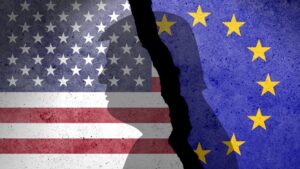
The US Supreme Court has ended the independent oversight of the US Federal Trade Commission (FTC). For privacy organization Noyb, this means the legal basis of the EU–US Data Privacy Framework is no longer valid.
Ad
IoT security framework update
The U.S. National Institute of Standards and Technology (NIST) has published a revised draft of its Internet of Things (IoT) security guidelines for public comment.
Estonia is developing a framework for assigning official digital identities to AI agents, potentially allowing artificial intelligence systems to act on behalf of individuals, companies, and public institutions within clearly defined boundaries.
EU Cloud and AI Development Act
The European Commission is preparing a new regulatory framework for cloud and AI services that could significantly advance EU cloud sovereignty and reshape how sensitive public-sector data is stored and governed across Europe.
Ad
17.11.2026
 - 19.11.2026
München
Ad

Most Read Articles

Ad
Ad
Ad