
 Thought Leadership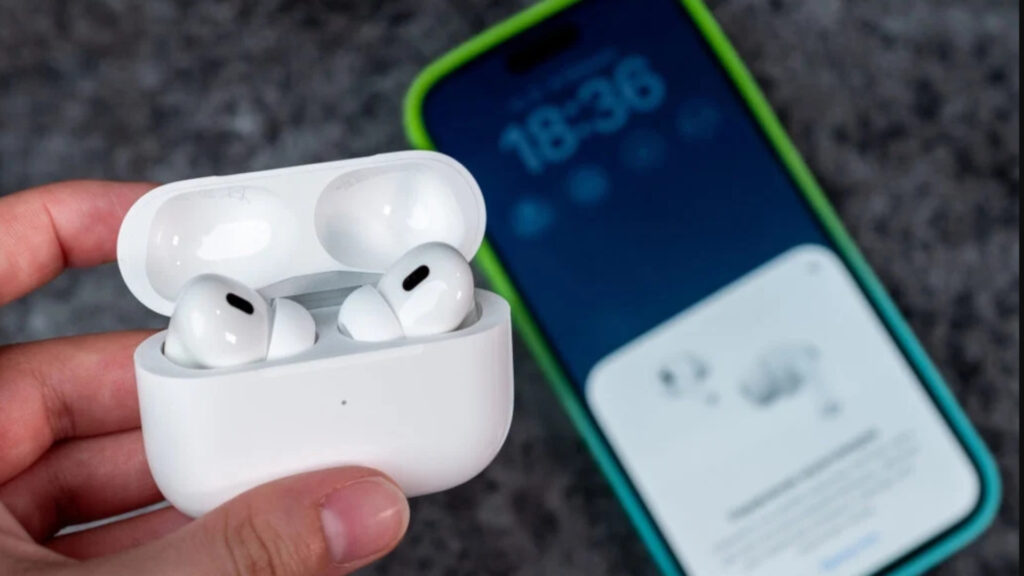
In a pre-release version of macOS Tahoe 26.7, a demo video has surfaced that shows camera-equipped AirPods in use with Apple’s Visual Intelligence feature for the first time.
The short video shows a person wearing AirPods holding up a book in front of them so the system can recognize its title. A voice spoken by Siri explains to that effect that Visual Intelligence allows you to capture your surroundings, needing only to ask to save something you have seen for later. The video does not show visible camera lenses; externally, the depicted AirPods barely differ from the current AirPods Pro, only the stem appears slightly thicker, presumably to make room for additional hardware.
According to MacRumors, the beta version also contains a line of code pointing to a failed image stream from the left earbud camera, an additional technical indication that at least one earbud actually features a camera.
Unlike a traditional camera, the sensor is reportedly not intended to capture actual photos or videos, but rather to forward low-resolution visual information to Apple’s AI features, allowing Siri to answer questions about the wearer’s immediate surroundings and save information for later.
Here is your first look at AirPods with Cameras in action using Visual Intelligence.
— Aaron (@aaronp613) August 18, 2026
This video file came from macOS 26.7 RC pic.twitter.com/yo7RI4MCeu
AirPods: Previously reported by Bloomberg
Bloomberg journalist Mark Gurman had previously reported on Apple teams working on AirPods with a built-in camera, citing the internal project name B790. According to his earlier statements, the sensor is designed to capture low-resolution visual information specifically to serve as a kind of additional eye for Apple’s AI features. Whether and when the device will be officially presented remains unclear; earlier reports suggested a possible release as early as September alongside the next iPhone generation. Apple itself has not yet officially confirmed the existence of the product, which is why the final name, price, specific functionality, and release date remain open.
(Editorial Team)