
 Thought Leadership
Meta CEO Mark Zuckerberg favors self-regulation as Anthropic, OpenAI and xAI call for a slower pace of AI development.
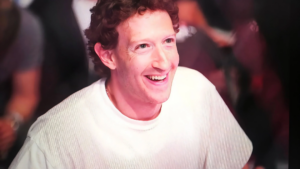
Meta CEO Mark Zuckerberg has rejected calls from leading competitors for a coordinated slowdown in AI development. In a post on X, Zuckerberg said each AI lab should be responsible for determining its own pace for safely training models. He argued that companies have both the responsibility and the incentive to set their own pace and can take the necessary measures themselves.
His comments came three days after Anthropic CEO Dario Amodei called on the industry to slow the expansion of AI capabilities, following warnings from several researchers about existential risks associated with the technology. OpenAI CEO Sam Altman and xAI founder Elon Musk publicly backed Amodei’s call within hours.
Competition and Liability as Safeguards
Zuckerberg argued that trust and alignment with human goals are becoming key differentiators between AI models. “Any lab that doesn’t focus on alignment will fall behind,” he said.
He also pointed to the liability risks companies face if their models cause harm. As an example, Zuckerberg said Meta had delayed the release of its AI agent Muse this year to improve its safety. In an English-language version of his statement, he said:
“We didn’t call for everyone else to do this before we would. We just did it as part of our day-to-day work because it was clearly the right thing for people and for us.”
Mark Zuckerberg, Meta CEO
According to Zuckerberg, Meta Superintelligence Labs, the company’s AI division, is already having its work reviewed by independent assessors in several areas. From his perspective, this represents an “industry best practice” that other labs could easily adopt as well.
Unlike Amodei’s call for an industry-wide slowdown in so-called recursive self-improvement, meaning AI systems’ ability to further develop themselves, Meta has already directed the “vast majority” of its computing capacity toward products addressing immediate user needs rather than self-improving AI systems, Zuckerberg said.
Diverging Views Across Industry and Politics
US President Donald Trump dismissed concerns about potential AI-related harm on Monday, calling them overblown and arguing that the US already has sufficient safeguards. He also said tighter regulation would primarily benefit China.
According to Cybernews, other tech executives, including Nvidia CEO Jensen Huang, share this assessment. Additional uncertainty came from comments by FTC Chair Andrew Ferguson, who said people should be “deeply skeptical” of AI companies that seek antitrust exemptions while simultaneously lobbying for new regulation. Ferguson did not name any company. However, Amodei applied last week for an antitrust exemption that would allow competitors to coordinate on a slower pace of AI development for safety reasons.
Timing Coincides With Lawsuit Settlement
Zuckerberg’s public commitment to AI safety comes just weeks after Meta agreed to pay up to $18 billion USD to settle lawsuits brought by several US states. The lawsuits alleged that Meta had deliberately designed Facebook and Instagram to encourage addictive-like behavior among children and teenagers.
Meta did not admit wrongdoing as part of the settlement.
(Editorial Team)