
 Thought Leadership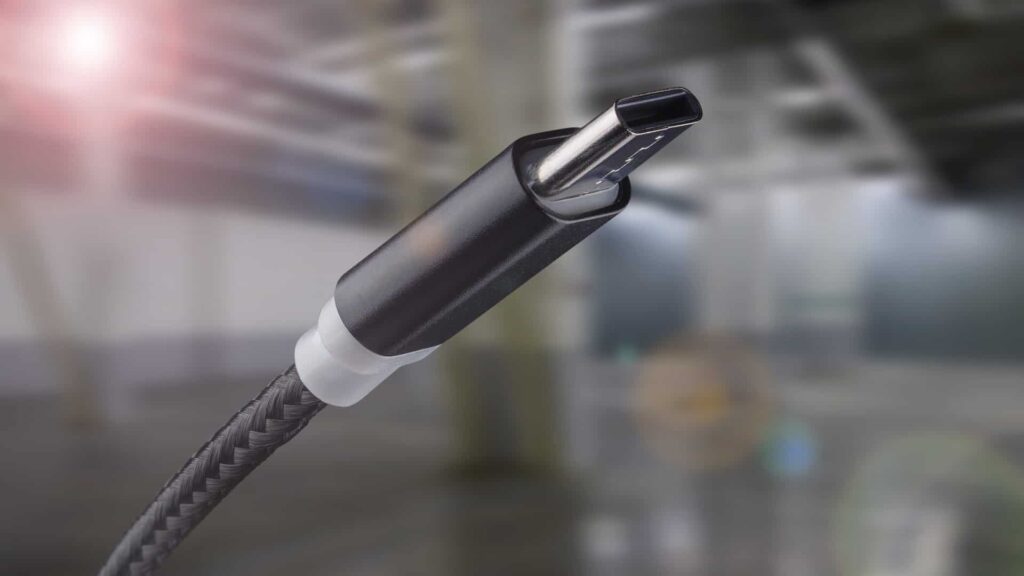
The EU is closing the final gap in its regulation to standardize charging cables. The goal is to reduce electronic waste.
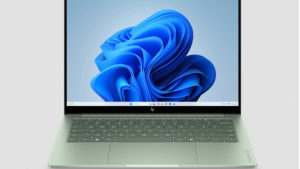
After smartphones and small electronic devices, all new laptops sold in the EU must now also feature a standardized USB-C charging port. This marks the end of a years-long transition period for implementing the corresponding EU directive.
Until now, many laptop manufacturers – particularly in the segment of high-performance gaming devices and workstations – relied on charging cables that were incompatible with devices from other manufacturers. Proprietary round connectors or unusual rectangular formats forced users to always carry the original power adapter with them. Under the new rules, all mobile computers with a power consumption of up to 240 watts must now be chargeable via USB-C.
Power adapter not always included
With the EU-wide regulation, laptop manufacturers are obliged to also offer their devices without a power adapter. A pictogram on the packaging will indicate whether or not a charger is included in the box. This is intended to prevent households from unnecessarily accumulating large numbers of USB-C power adapters.
Watch out when buying cables
Consumers, however, still need to look closely at which charging cable they use. While the standardized connector eliminates the mechanical problem, an electronic one remains: not every USB-C cable is the same.
Although the connector always fits, the capacity for power transmission varies considerably. A standard cable from a smartphone is often only rated for 15 to 27 watts. A modern laptop, however, typically requires 65 to 100 watts or even more. Anyone using an unsuitable cable risks the laptop not charging or displaying the error message “slow charger.”
When buying a charging cable, users should look for the “Power Delivery” (USB-PD) label and the specified wattage (e.g., 100W or 240W). Only certified cables guarantee that the full power safely reaches the device.
dpa