
 Thought Leadership
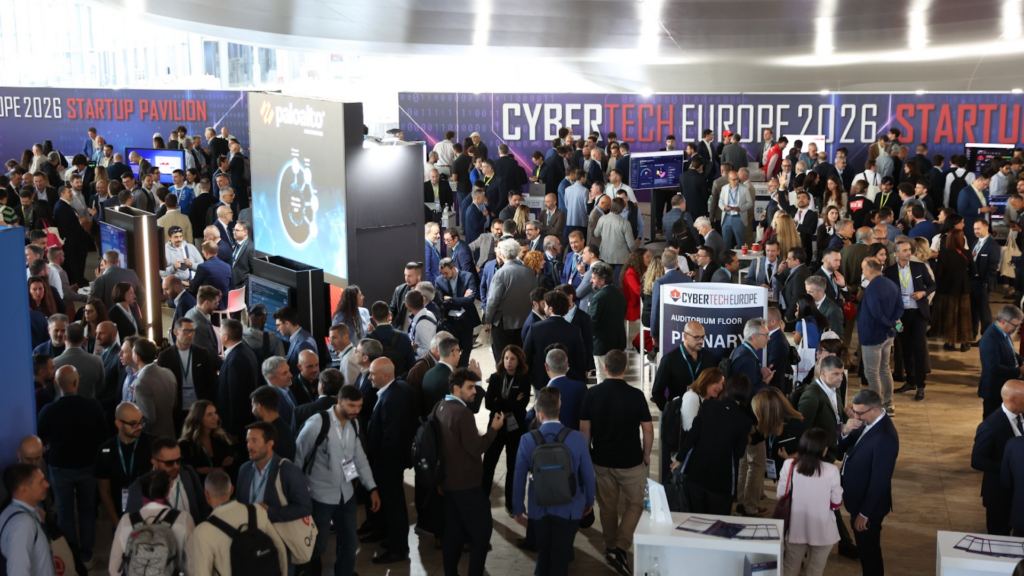
Artificial intelligence is reshaping both cyberattacks and defence strategies, putting digital resilience high on Europe’s agenda. At Cybertech Europe 2026 in Rome, government representatives, cybersecurity experts and business leaders called for closer cooperation across industries and national borders.
AI Changes the Cybersecurity Landscape
The ninth edition of Cybertech Europe brought together cybersecurity professionals and decision-makers from more than 19 countries at Rome’s La Nuvola Convention Center. Discussions focused on the growing impact of artificial intelligence on cybersecurity, including emerging threats such as deepfakes and the need to strengthen Europe’s digital resilience.
Roberto Viola, Director-General of the European Commission’s DG CONNECT, highlighted how AI is accelerating changes in Europe’s security environment. He also called for stronger cooperation between businesses, researchers, startups, investors and public authorities to address shared challenges and advance innovation.
“Cybersecurity is entering a phase of extraordinary opportunity and today represents the primary enabler of secure and sustainable innovation. The acceleration that artificial intelligence is bringing to productivity and digital transformation gives us the opportunity to radically rethink operating models, making them not only more efficient, but also more resilient and secure. In this context, organisations are called upon to take a decisive step: putting people at the centre of their strategy by enhancing their skills, accountability and ability to exercise sound judgement. Only in this way will it be possible to govern change rather than simply be affected by it, transforming security from a protective requirement into a strategic lever for growth, competitiveness and the country’s future.”
Marco Molinaro, Head of Cybersecurity at Accenture Italy
Critical Infrastructure Requires a Broader View
The event also highlighted the growing interdependence of organisations and their role in national security. Nunzia Ciardi, Deputy Director General of Italy’s National Cybersecurity Agency, argued that critical infrastructure should no longer be viewed in isolation. Organisations that do not formally qualify as critical infrastructure can still play a decisive role in national security.
Edvinas Grikšas, Lithuania’s Minister of the Economy and Innovation, stressed the importance of continued coordination between the public and private sectors. Closer collaboration is essential to managing the challenges of digital transformation while making the most of opportunities presented by AI and other emerging technologies.
“Our participation in Cybertech Europe reflects our desire to actively contribute to an increasingly necessary dialogue with businesses, institutions and key players across the cybersecurity ecosystem on how to support the acceleration of artificial intelligence, transforming its opportunities into tangible business value without compromising security. The discussions over the past few days confirmed how important it is for Italian organisations to address the new challenges introduced by AI and autonomous agents, in a scenario characterised by increasingly sophisticated threats and growing attention to governance and regulatory compliance. One year after the introduction of Italy’s AI Act, it is clear that cybersecurity can no longer be considered merely a technological component, but must become a fundamental element of companies’ innovation and resilience strategies. At Check Point, we believe the answer lies in a prevention-first approach capable of anticipating threats and ensuring visibility, control and protection across the entire digital ecosystem. This is the vision that continues to guide our support for Italian organisations throughout their transformation journey, because innovation and security must evolve together.”
Cristiano Voschion, Country Manager Italy at Check Point Software Technologies
Cybersecurity Becomes a Leadership Priority
Cybersecurity is also increasingly a concern for corporate executives beyond the traditional remit of security teams. This year’s conference brought together not only CISOs and cybersecurity specialists, but also CEOs and senior business leaders.
Teodoro Lio, CEO of Accenture, highlighted the connection between cybersecurity, innovation, competitiveness and economic growth. Ivano Gabrielli, Director of Italy’s Postal Police and Communications Service, pointed to the convergence of cybercrime, disinformation and geopolitical attacks, emphasizing the need for advanced technologies and sustained coordination.
As AI continues to transform the threat landscape, cybersecurity decisions are becoming increasingly intertwined with business strategy, investment and operational continuity. The discussions in Rome underscored the importance of treating digital resilience as a shared responsibility across organisations and sectors.
“Cybertech Europe 2026 confirmed that cybersecurity and artificial intelligence are now central issues for the future of organisations. Discussions with customers, partners and industry experts highlighted the need for increasingly effective approaches to reducing complexity and improving resilience. At Sophos, we are proud to contribute to this evolution through innovation and collaboration.”
Marcel Bornhoefft, Field CISO Associate, Sophos
Cybertech Europe is scheduled to return to Rome in 2027, continuing its focus on European cooperation and a more secure digital ecosystem.
(Editorial Team/Cybertech)