
 Thought Leadership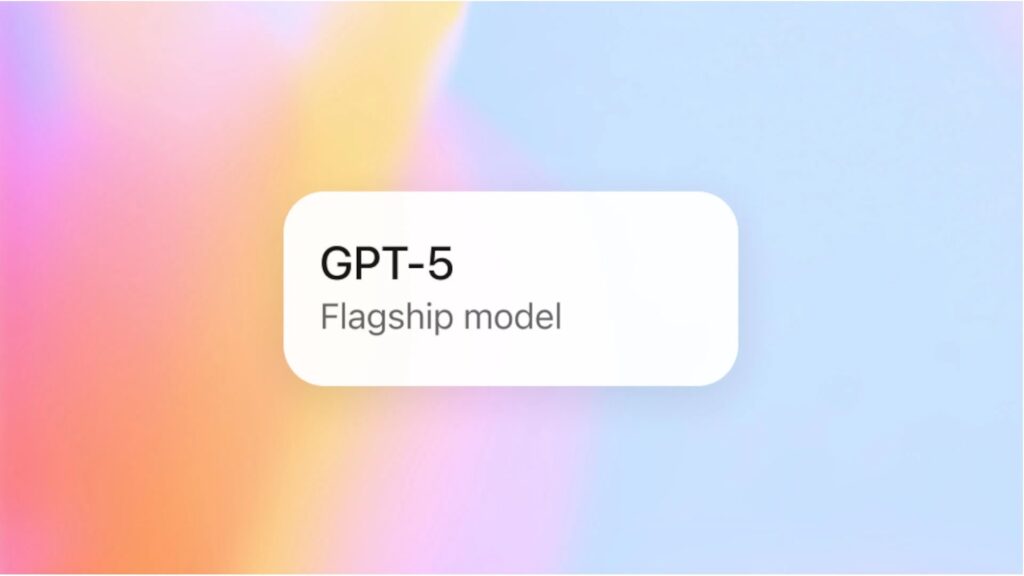
OpenAI has officially released its GPT-5.6 model family and the new ChatGPT Work platform worldwide. The latest AI models promise more powerful automation while reducing operational costs.
OpenAI has received approval from the U.S. government to make its new GPT-5.6 model family generally available. Until now, access had been limited to a restricted preview available only to government-approved organizations.
At the same time, the company introduced ChatGPT Work, a new AI workspace powered by GPT-5.6. The platform combines the conversational capabilities of ChatGPT with development features similar to Codex. In an official announcement, OpenAI describes the platform as follows:
“It can gather context from your selected apps, files, and workflows, then create finished deliverables such as documents, spreadsheets, presentations, and web applications.”
OpenAI
Through a centralized plugin directory, the assistant can connect to external workplace applications including Slack, Gmail, Google Drive, calendars, and CRM platforms.
Global GPT-5.6 Rollout Timeline
The worldwide rollout is expected to be completed within 24 hours.
Users on macOS and Windows will receive direct access to GPT-5.6 and ChatGPT Work through the ChatGPT desktop application, including users of the free tier.
Availability on mobile devices and through web browsers will roll out in phases:
- Pro, Enterprise, and Edu subscribers receive immediate access.
- Plus and Business subscribers will gain access over the following days.
Competition in the AI Agent Market
With this release, OpenAI moves into direct competition with Anthropic’s Claude Cowork platform.
A key focus is Sol, the flagship model in the GPT-5.6 family. Sol has been optimized for demanding workloads including software development, cybersecurity, scientific research, and direct computer control.
OpenAI is also positioning Sol as a more cost-efficient alternative to competing flagship AI models. The launch addresses the ongoing debate over rising AI development costs, which are increasingly driving higher prices for enterprise and consumer users alike.
(ll)